Preserving Europe's Architectural Legacy
We bridge centuries of design tradition with contemporary restoration methodologies, ensuring that historical structures retain their character while meeting modern standards.
Explore Our Services
We bridge centuries of design tradition with contemporary restoration methodologies, ensuring that historical structures retain their character while meeting modern standards.
Explore Our Services
From the Romanesque arches that defined medieval Europe to the ornate Baroque facades of the 17th century, each architectural movement tells a story. Our approach combines historical research with technical precision.
We analyze structural integrity, material composition, and stylistic authenticity to create comprehensive restoration strategies that honor original intent while ensuring longevity.

Pointed arches, ribbed vaults, and flying buttresses that transformed European skylines between the 12th and 16th centuries.
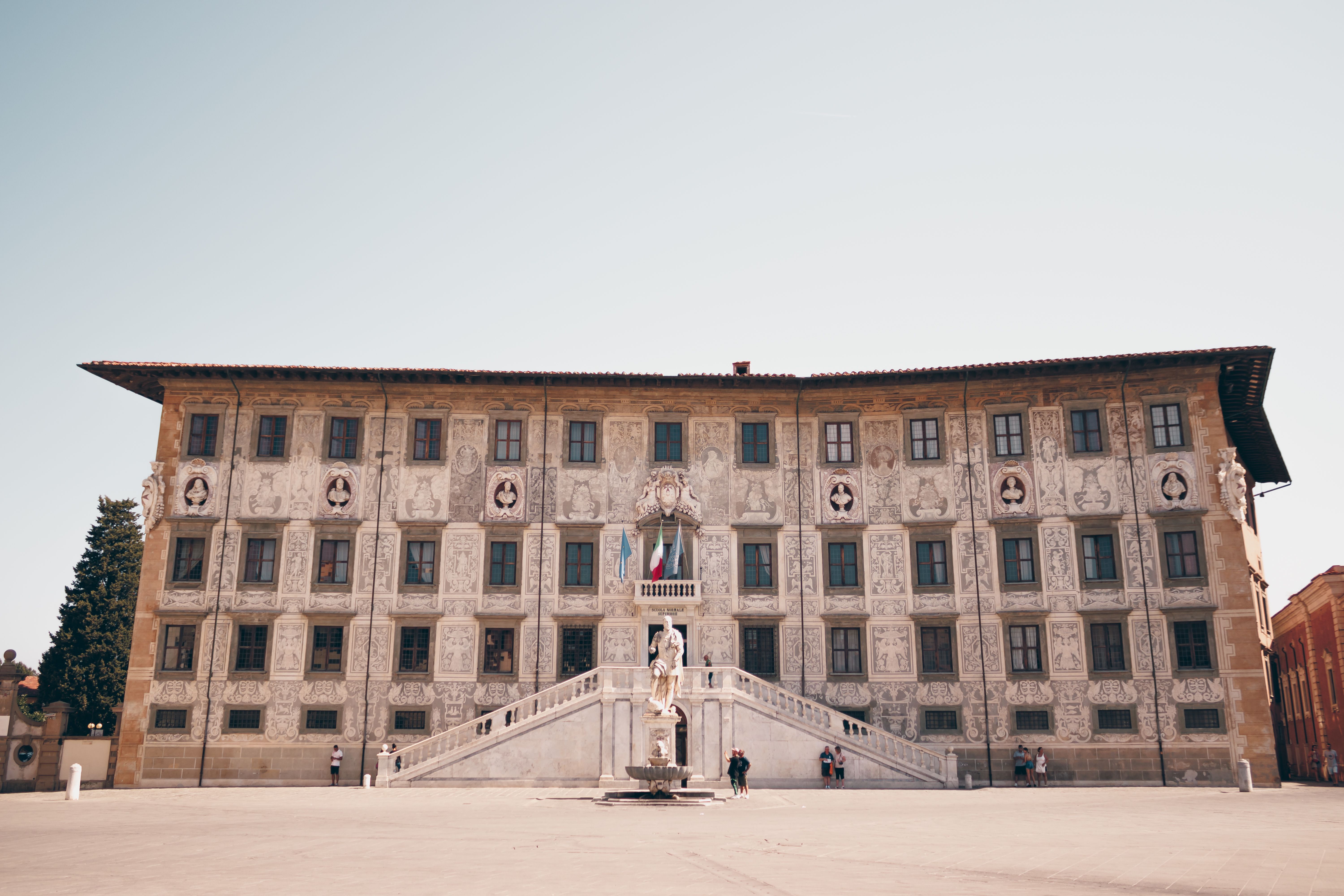
Symmetry, proportion, and classical orders that brought ancient Roman principles back to prominence across Italy and beyond.
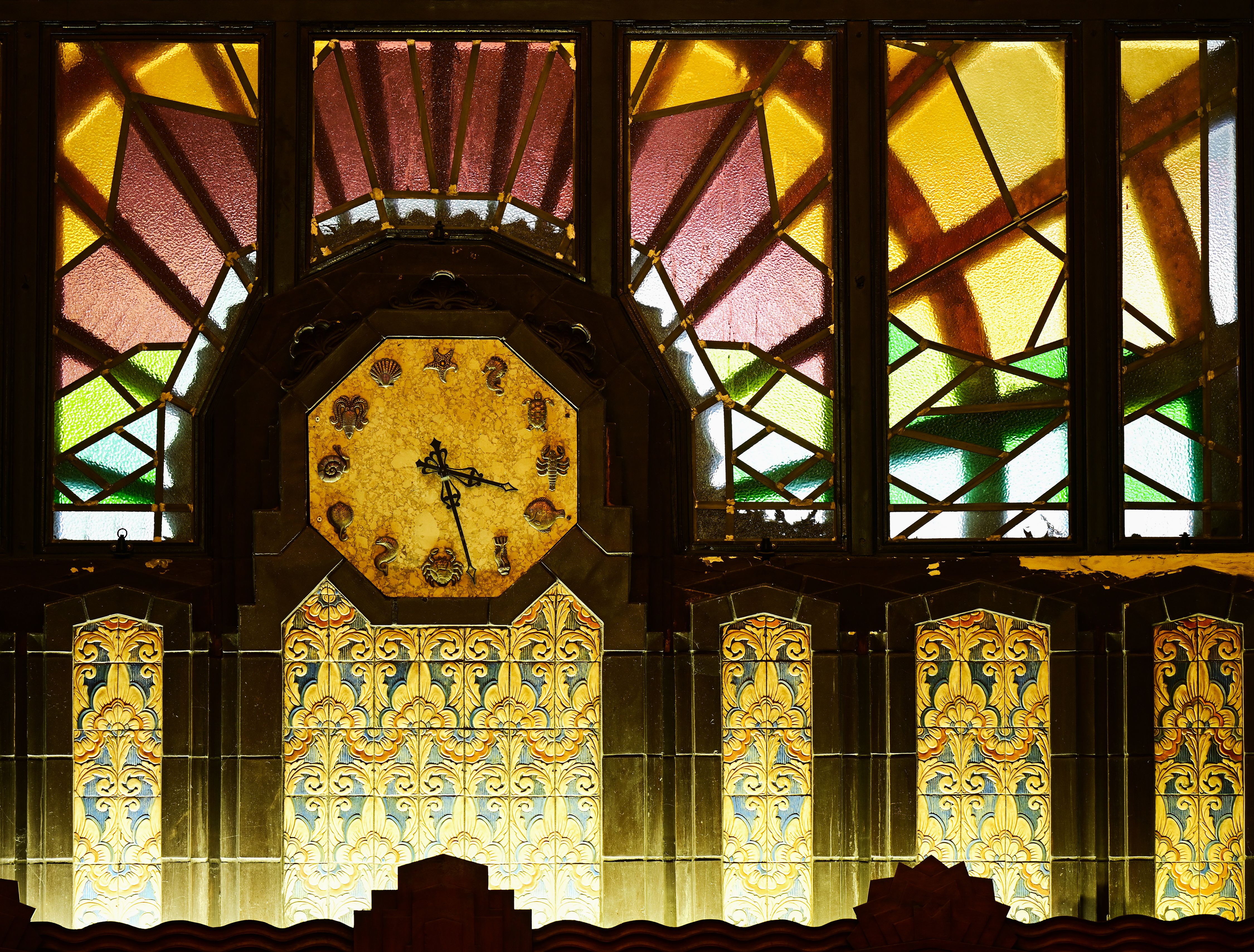
Organic forms, curved lines, and nature-inspired motifs that flourished at the turn of the 20th century throughout Europe.
Many restoration projects fail because they prioritize aesthetics over authenticity. Understanding the original construction techniques, material sources, and design philosophy is essential.
Select the service that aligns with your project needs, and we'll provide a detailed assessment within 48 hours.

Our consultants hold advanced degrees in architectural history and have worked on UNESCO World Heritage sites across Europe. We don't guess—we investigate, cross-reference, and verify.
"Their analysis of our 16th-century chapel revealed construction details we had no documentation for. The restoration maintained complete historical integrity."
— Elena Marchetti, Restoration Director
Professional Disclaimer: The information and services provided by branch-lark are intended for educational and consulting purposes. Results and outcomes vary depending on site conditions, materials, and implementation. Our assessments are not substitutes for licensed structural engineering evaluations or legal compliance reviews. Always consult with certified professionals and local authorities before undertaking restoration work. Historical analysis is based on available research and may evolve as new information emerges.